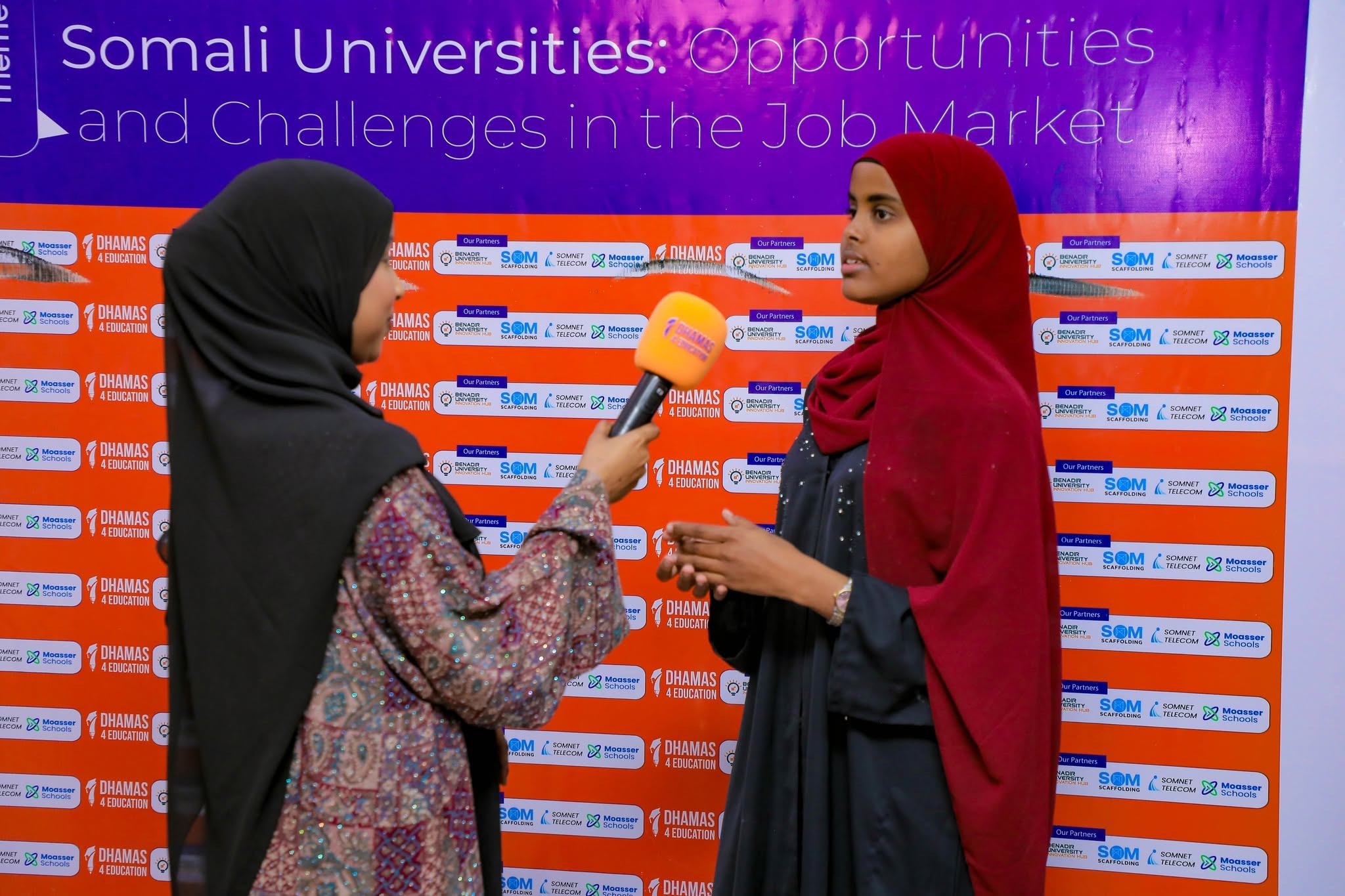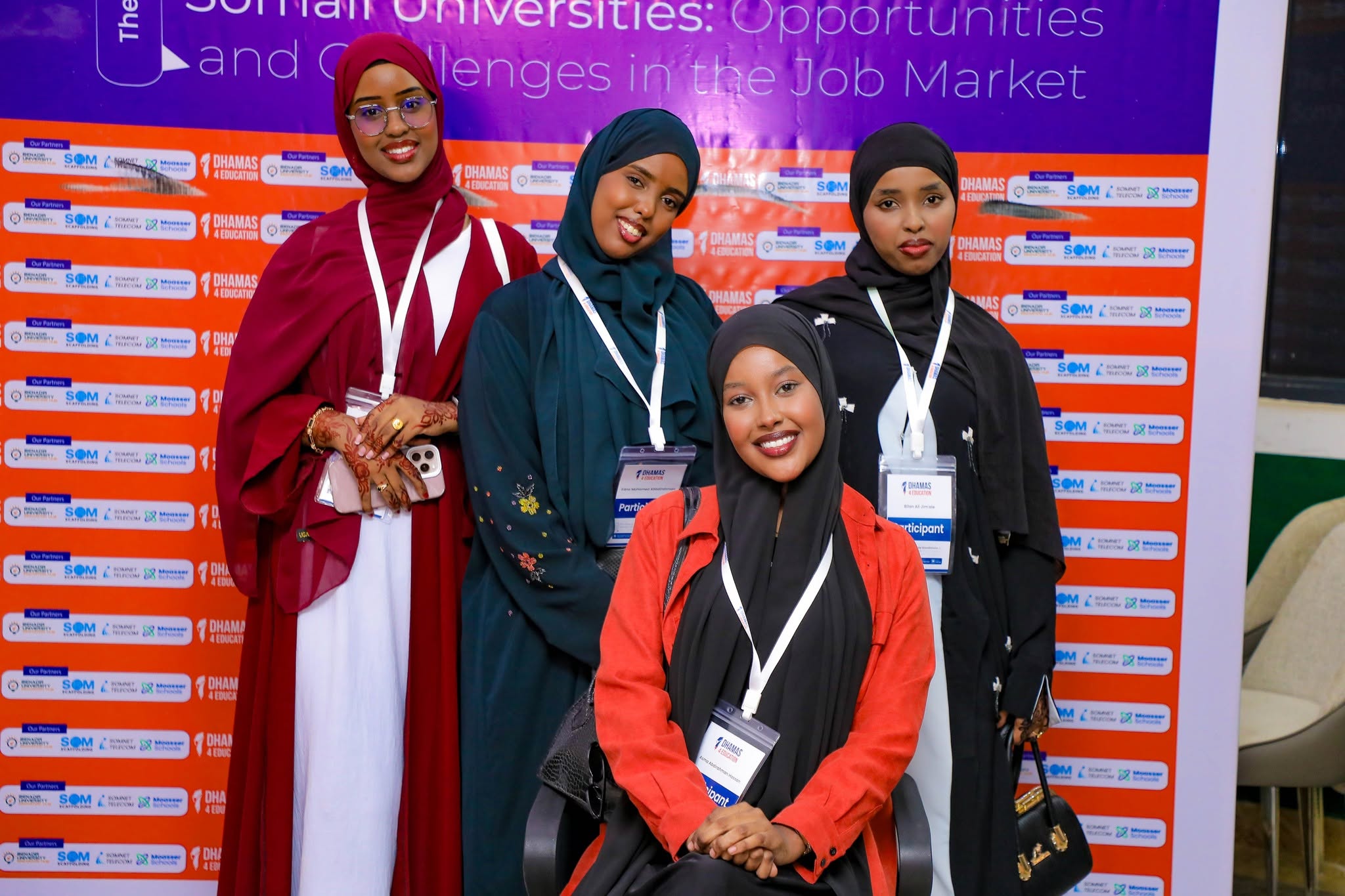
Over the past decade, Somali universities have seen a remarkable surge in female enrollment, marking a transformative shift in the country’s education and professional landscape.
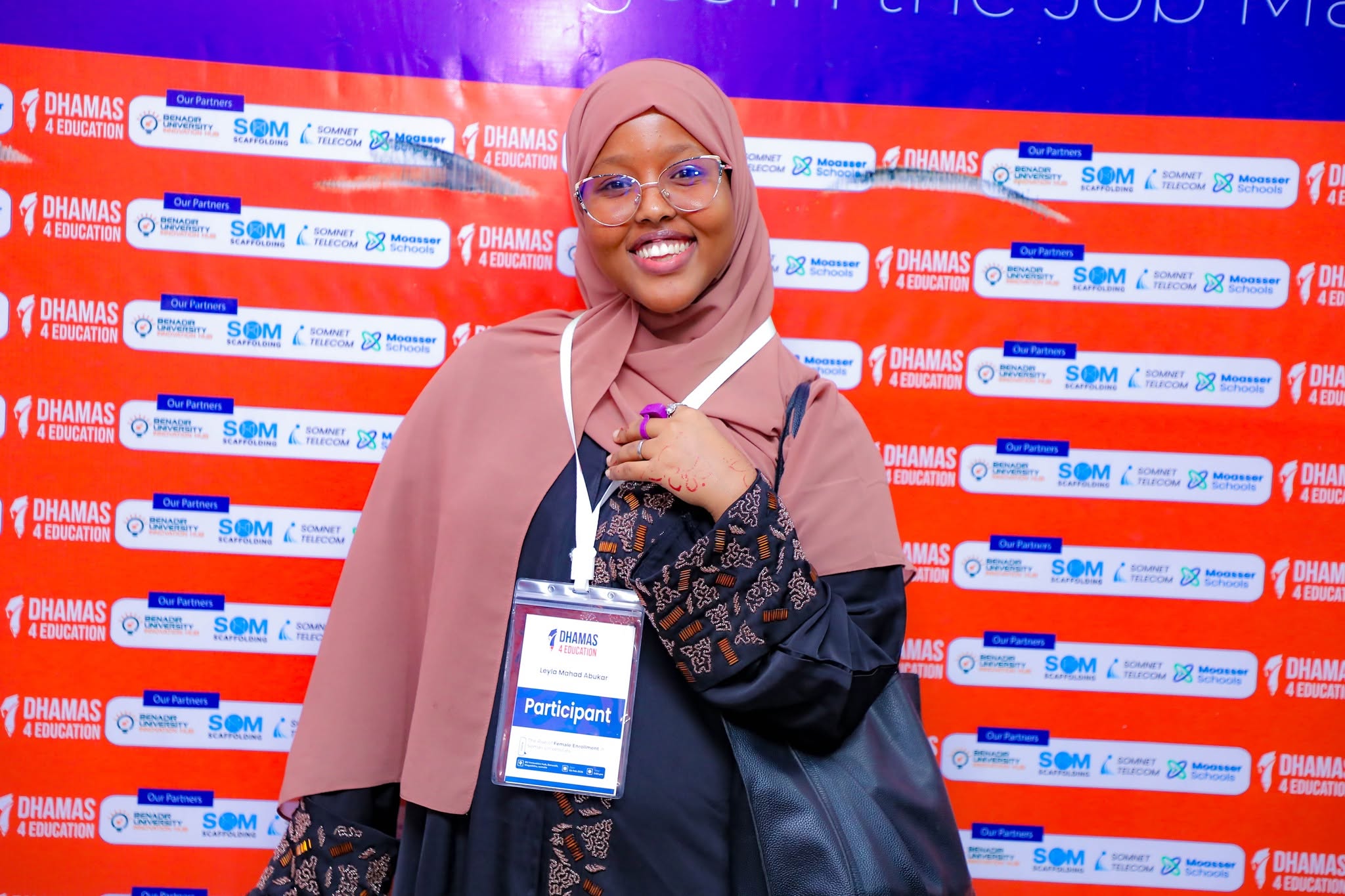
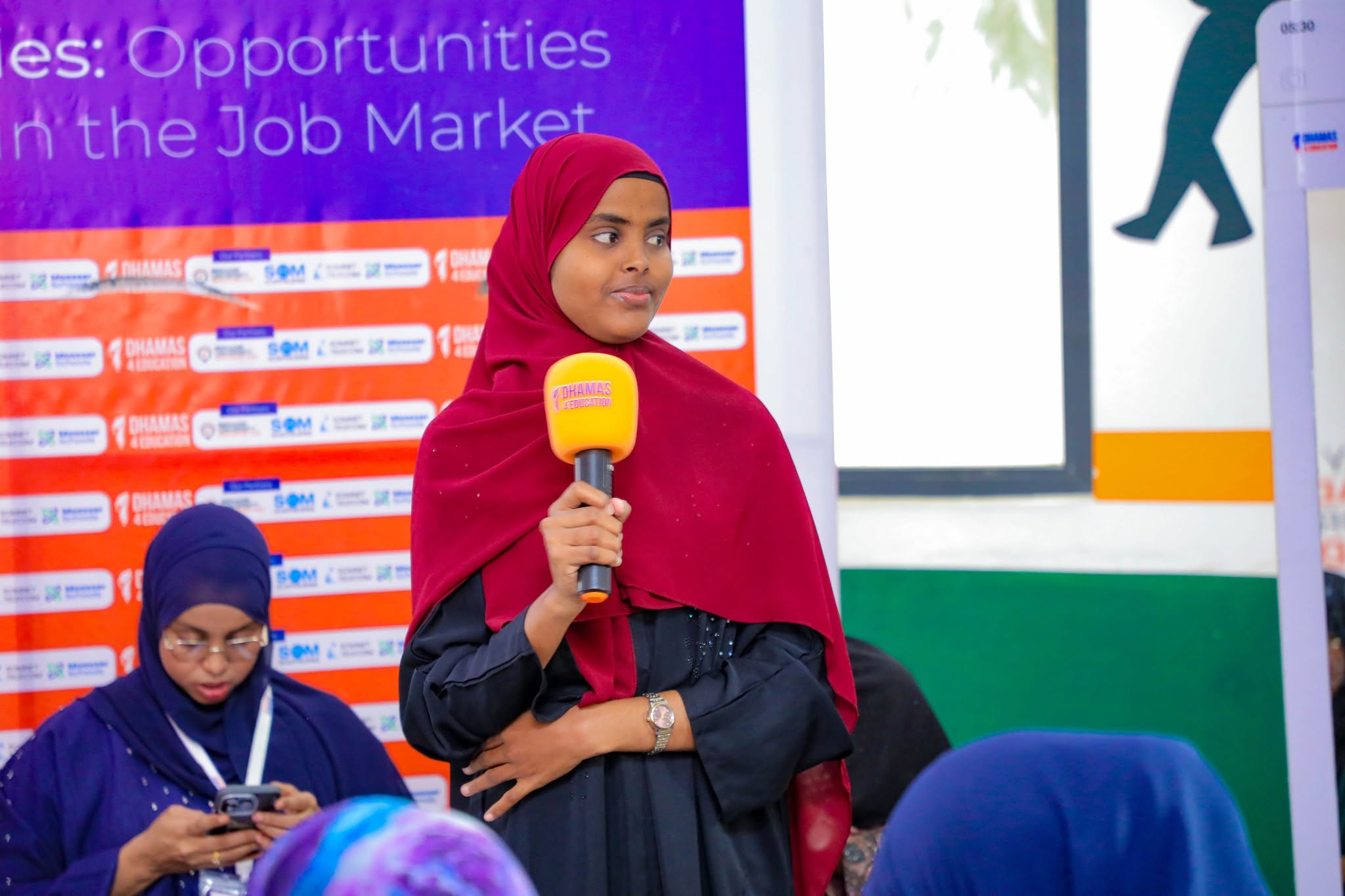
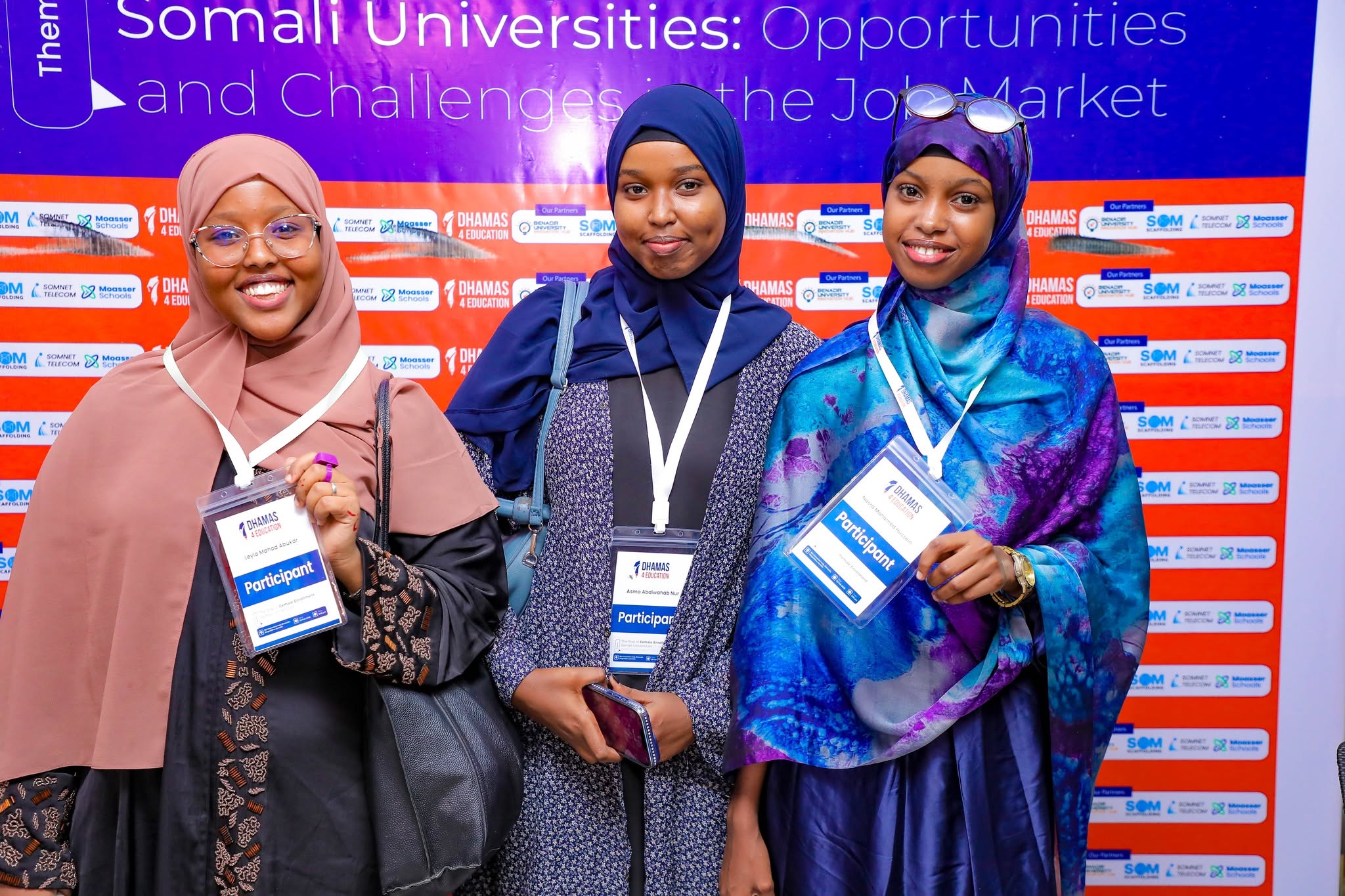
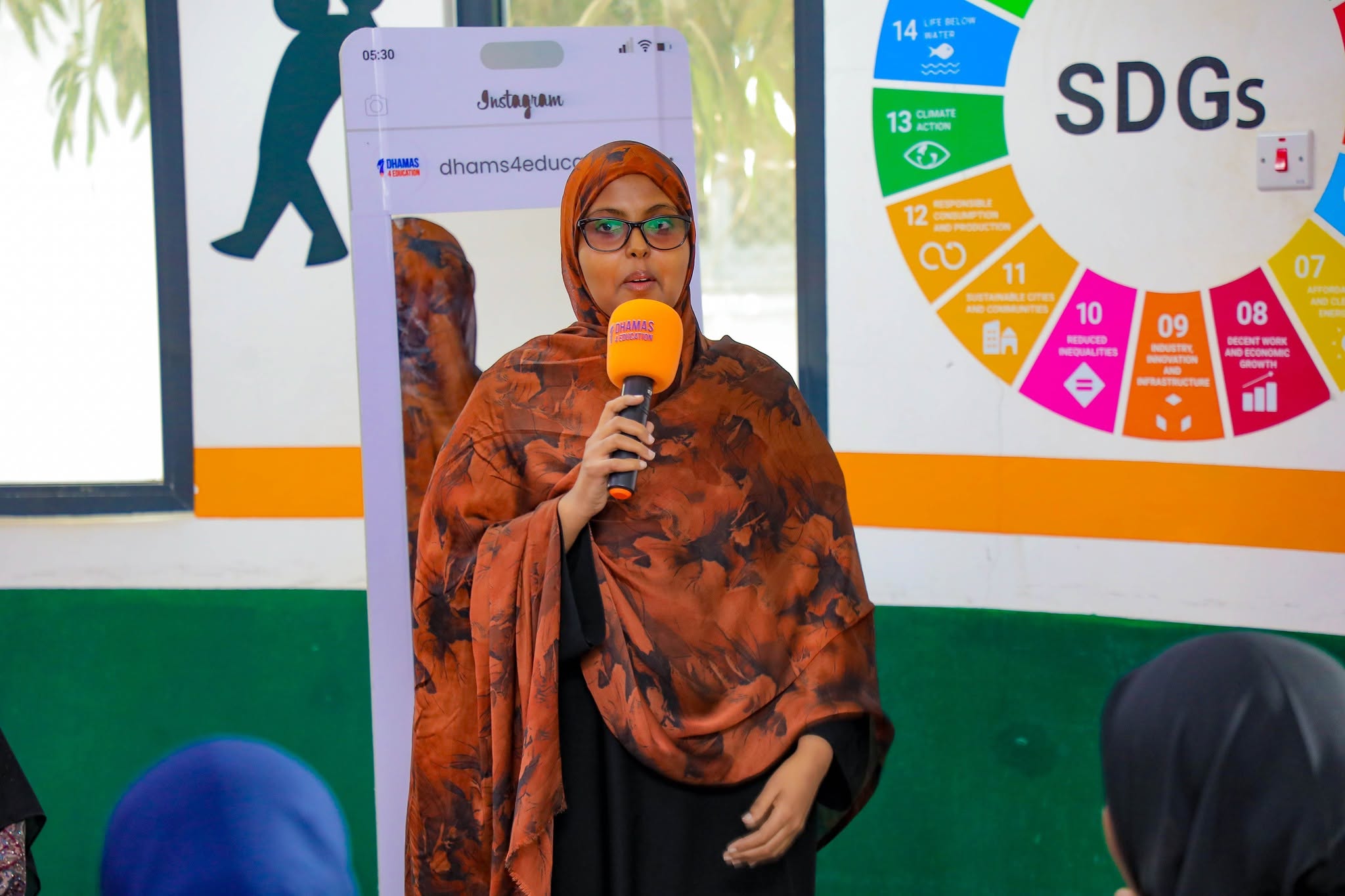
To shed light on this growing phenomenon, Dhamas4Education hosted a comprehensive panel discussion, bringing together young women from universities across Somalia. The discussion, titled “The Rise of Female Enrollment in Somali Universities: Opportunities and Challenges in the Job Market,” provided a platform for students to share experiences, insights, and strategies to navigate both academic life and future career opportunities.
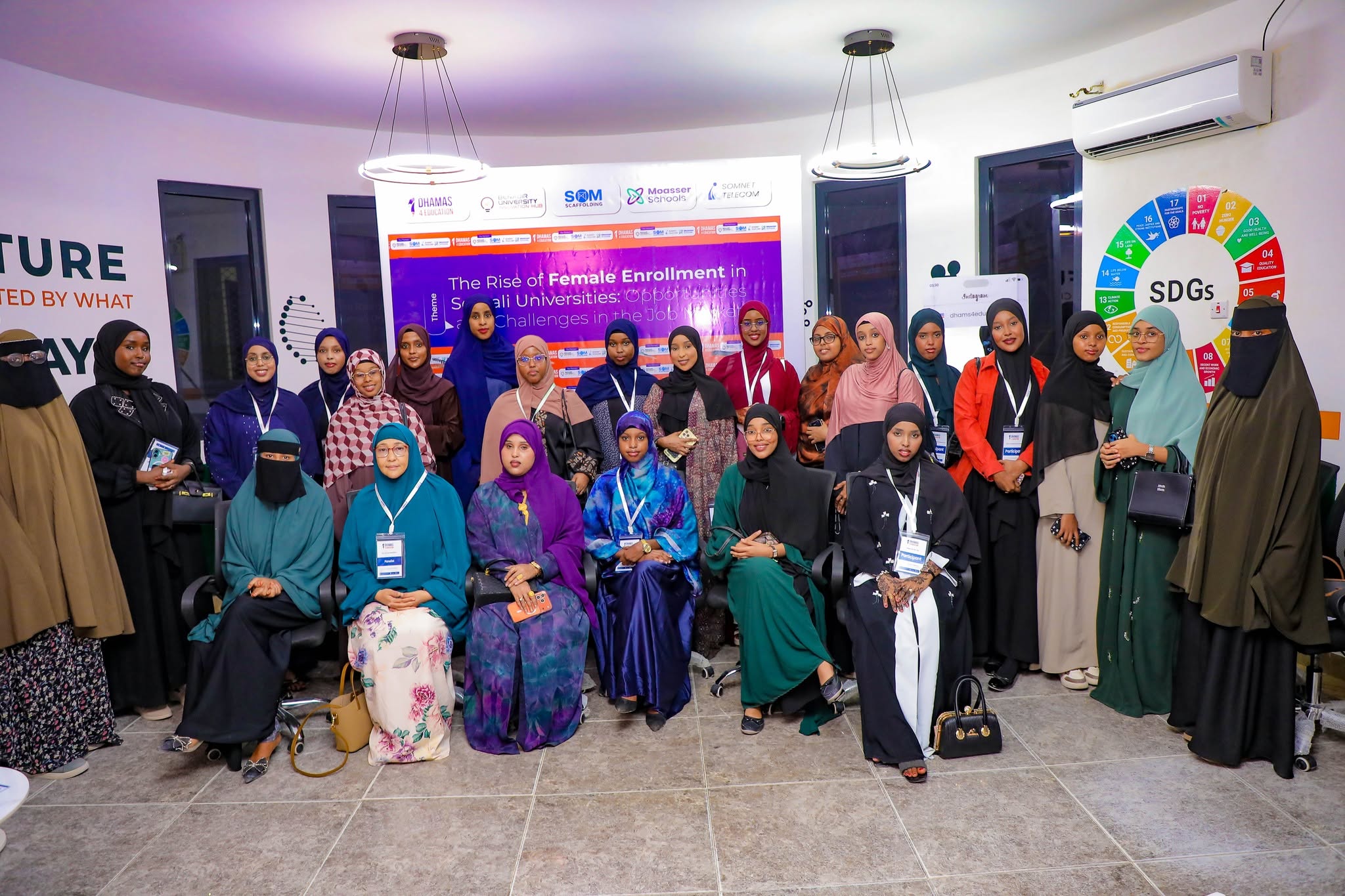
More than a number
Panelists emphasized that the rise in female enrollment is not just a numerical achievement—it represents a societal change and a step toward economic empowerment. Women students are increasingly pursuing degrees in critical fields such as management, healthcare, technology, and entrepreneurship, equipping themselves with knowledge and skills essential for Somalia’s development.
The challenges that remain
Despite these gains, challenges remain. Participants highlighted barriers including limited mentorship, unequal access to professional opportunities, workplace bias, and insufficient exposure to practical skills. Many stressed that while theoretical knowledge from universities is valuable, the lack of hands-on experience can hinder employability.
The way forward: skills centers and innovation labs
A major outcome of the discussion was the urgent need to establish skills centers and innovation labs, both within universities and as independent facilities. These centers would provide:
- Hands-on skill development: Practical training in technology, business, and creative sectors
- Internship opportunities: Partnerships with local and international companies to give students real-world experience
- Entrepreneurship incubation: Platforms for students to test ideas, develop solutions, and launch ventures
- Mentorship and career guidance: Access to professionals who can guide career planning and growth
By providing these resources before graduation, Somali female students can transition more smoothly into the workforce, reducing the skills gap and increasing their chances of professional success.
Why donors and partners should contribute
Investing in these centers is a strategic opportunity to support the next generation of Somali female leaders. Contributions can directly impact:
- Building physical spaces for skills and innovation labs
- Equipping centers with technology, tools, and learning materials
- Funding mentorship programs, internships, and workshops
- Supporting entrepreneurship programs that foster sustainable business ventures
By amplifying female voices and creating independent platforms for learning, skills, and innovation, Somali women can not only graduate but also lead, innovate, and contribute meaningfully to the nation’s economy and development.
This initiative is more than education—it’s a step toward inclusive growth, economic empowerment, and societal transformation, offering donors a tangible way to make a long-lasting impact.
Event gallery